+91 93722 63929
Call us now!
Call us now!
Call us now!
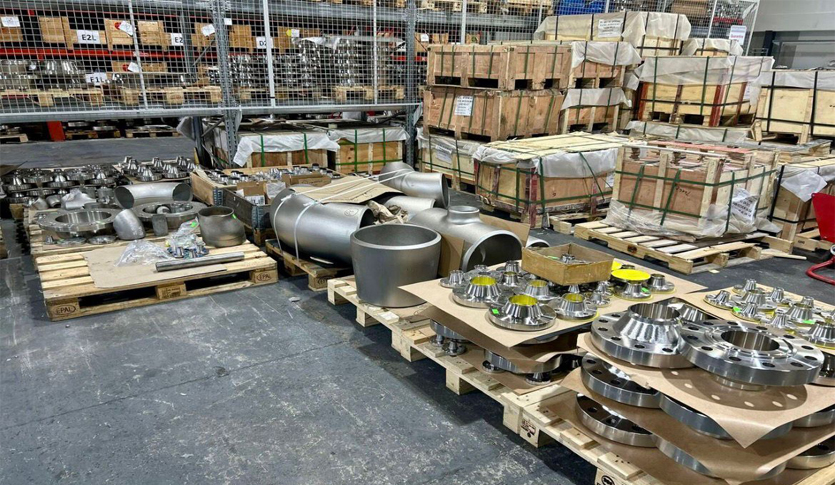
Ferrous metals are metals that contain iron as their main constituent and are widely used in engineering and construction due to their strength and durability. Common examples of ferrous metals include steel, cast iron, wrought iron, and pig iron. These metals are generally known for their high tensile strength, hardness, and ability to withstand heavy loads, making them suitable for structures, machinery, tools, and automotive components. However, ferrous metals are usually prone to corrosion (rusting) when exposed to moisture and oxygen, although this can be reduced by alloying elements such as chromium or by applying protective coatings. Because of their magnetic properties and relatively low cost compared to non-ferrous metals, ferrous metals play a vital role in industrial and everyday applications.
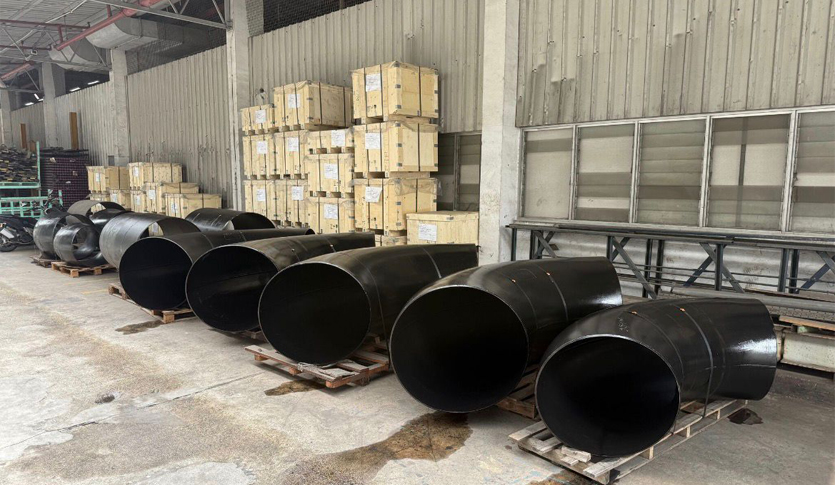
Non-ferrous metals are metals that do not contain iron as their main component and are known for their resistance to corrosion, lightweight nature, and good electrical and thermal conductivity. Common examples of non-ferrous metals include aluminum, copper, zinc, lead, tin, and precious metals such as gold and silver. These metals are widely used in industries like electrical engineering, aviation, electronics, and plumbing because they do not rust and often have excellent malleability and ductility. Although non-ferrous metals are generally more expensive than ferrous metals, their durability, low maintenance, and special properties make them essential for many modern applications.